
Related Articles
- Unraveling the Silent Influence of Biometric Data on European Privacy Safeguards and Compliance Challenges
- Top 6 Game-Changing Franchise Analytics Platforms Launched Since 2019 for Strategic Brand Expansion
- Hidden Pitfalls in Using NDA Templates for Cross-Cultural Tech Collaborations: Lessons from Unexpected Legal Quagmires
- Top 6 Emerging AI-Powered Negotiation Tools Transforming Product Partnership Deals Since 2019
- Top 6 Under-the-Radar Business Licensing Tools Released Since 2019 That Outsmart Traditional Systems
- How Emerging Environmental Regulations Are Secretly Reshaping Small Business Structures in Unexpected Ways
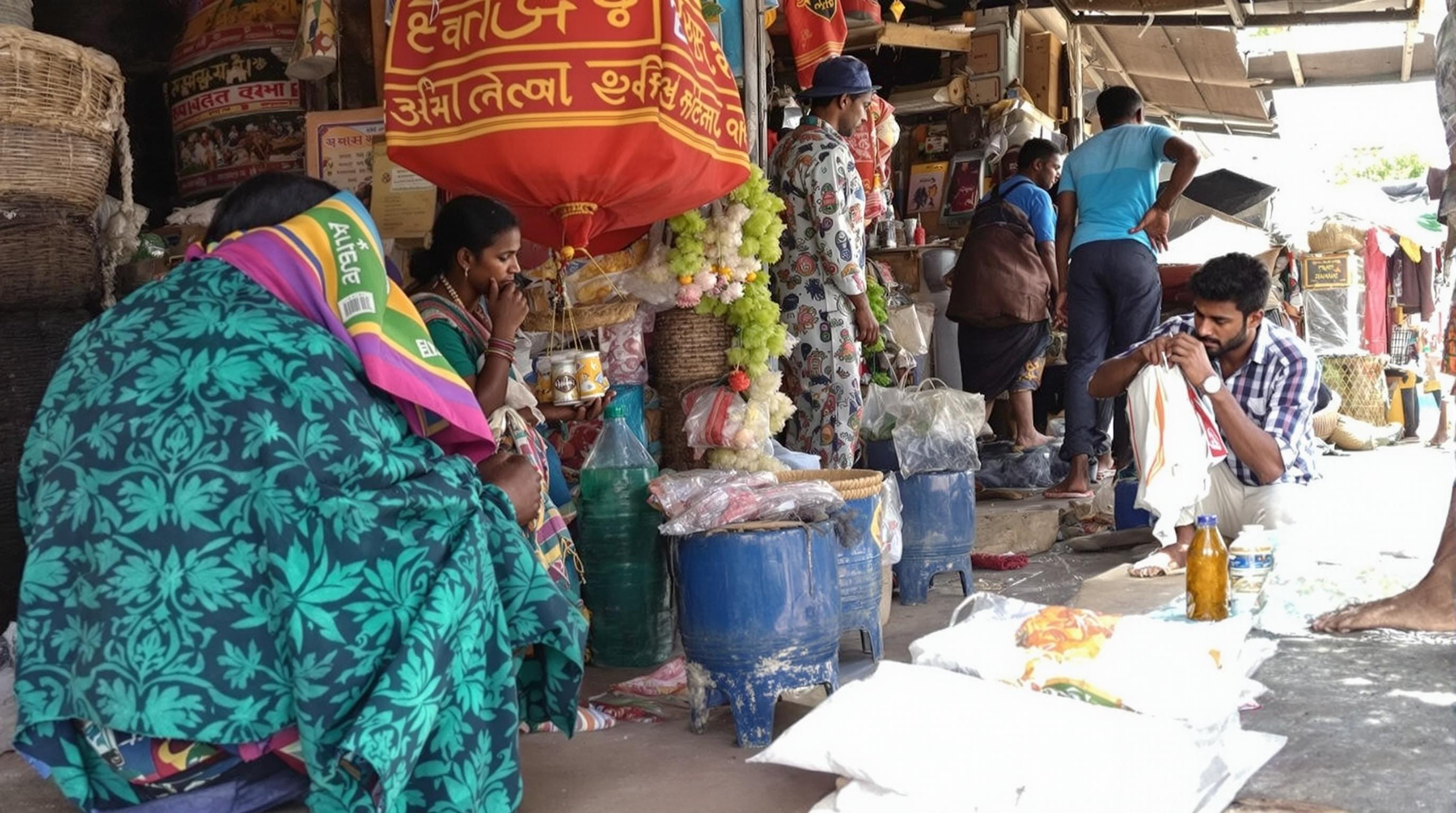
Unveiling the Role of Local Folklore in Shaping Unconventional Trade Permits and Entrepreneurial Identity
Unveiling the Role of Local Folklore in Shaping Unconventional Trade Permits and Entrepreneurial Identity
Local folklore goes far beyond fairy tales and legends; it intricately shapes the frameworks of unconventional trade permits and profoundly influences entrepreneurial identities in diverse communities. This article explores how storytelling, cultural beliefs, and community traditions intertwine with official regulatory systems, revealing a rich tapestry where business, culture, and identity converge.
Crafting Identity Through Stories and Commerce
When you stroll through marketplaces from the Andes to Southeast Asia, you’ll often find vendors whose trade is more than just commerce—it’s a lived narrative passed down through generations. Take, for instance, the spice traders of Kerala, India, whose permits are entwined with rituals honoring local deities believed to bless safe passage and abundant harvests. These rituals, rooted in folklore, effectively serve as informal “licenses” that complement—if not sometimes supersede—the state-issued documents.
Entrepreneurial identity in such settings is shaped as much by participation in these cultural practices as by business acumen. A 2019 survey by the Cultural Economic Society found that nearly 45% of small-scale traders in culturally rich regions consider their folklore participation essential for legitimacy in the eyes of customers and local officials.
A Historical Perspective: Folklore as a Foundation of Trade Regulation
Historically, before the standard bureaucratic systems we know today, folklore and customary laws served as the primary regulatory frameworks for trade. For example, in medieval Europe, guilds often integrated mythic symbols, patron saints, and oral traditions into their charters and apprenticeship structures, indirectly controlling who could trade and how.
These customs acted as both gatekeeping mechanisms and community bonding tools, ensuring that traders upheld not only fair economic practices but also shared cultural values. The persistence of these folklore-influenced systems demonstrates their resiliency and highlights why conventional trade permits occasionally appear to echo mythical or symbolic elements.
Statistical Snapshot: Folklore's Economic Impact
Did you know that according to a 2021 study by the World Folklore Institute, markets that integrate local folklore into business permits and certifications see a 12% higher retention rate of small entrepreneurs compared to those that rely solely on modern administrative systems? This statistic underlines how folklore isn’t just decorative—it can be instrumental in sustaining local economies and entrepreneurial ecosystems.
Case Study: The Kayan Traders of Borneo
Among the Kayan people of Borneo, folklore dictates that every trade permit must be "blessed" by community elders through a sacred dance, believed to invoke protection and prosperity. Interestingly, this tradition has been officially recognized by local governments as part of the permit process, bridging indigenous customs with formal regulatory law.
The effect? Traders report greater community trust and a sense of security when compliance includes these cultural rites. Moreover, these practices foster a collective identity, reinforcing trust networks which are vital to entrepreneurial success in remote areas.
Humor Break: The Tale of the “Invisible Permit”
Imagine a fable where a young entrepreneur seeks an “invisible permit” granted not by officials, but by the town’s legendary fox spirit. According to the tale, the fox grants this permit only if the trader promises honesty and shares stories nightly at the market. While whimsical, this folklore metaphor highlights the importance of trust and narrative in governing trade beyond paperwork.
Such stories underline how communities use folklore not only to regulate but also to educate entrepreneurs about ethical practices and social responsibility, embedding values that official permits rarely capture.
Conversational Insights: What This Means for Modern Entrepreneurs
So, you might be wondering, "Why should I care about old stories in today’s corporate world?" Well, if you’re an entrepreneur operating in culturally diverse or rural settings, understanding these local narratives can be your secret advantage. They’re not just relics—they influence how your business is perceived, regulated, and even taxed.
For instance, integrating folklore elements into branding or obtaining endorsements from cultural leaders can open doors that official permits might not. Being fluent in the language of local traditions can smooth bureaucratic interactions and foster customer loyalty rooted in shared heritage.
Bridging Legal Systems and Cultural Practices
In many cases, governments are beginning to recognize the value cultural traditions bring to regulatory frameworks. By codifying folklore practices into formal permit processes, authorities acknowledge the legitimacy of heritage and empower entrepreneurs who operate within these paradigms.
This fusion can create hybrid systems that respect both the rule of law and the preservation of intangible cultural heritage, fostering an inclusive economy sensitive to identity and history.
Personal Reflection from a 68-Year-Old Scholar
Having spent decades studying the intersections of culture and economics, I find it fascinating how these ancient tales continue to shape modern livelihoods. They remind us that entrepreneurship is not only about numbers and permits but also about stories—stories that give meaning to our work and connect us to our communities.
For younger readers and aspiring entrepreneurs, embracing your cultural narratives might just illuminate paths to innovation that purely business-driven models overlook.
Challenges and Critiques
Of course, not all intersections of folklore and trade permits are harmonious. Critics argue that reliance on cultural practices can sometimes exclude marginalized groups or reinforce outdated hierarchies, potentially limiting entrepreneurial diversity.
Moreover, the informal nature of these folklore-based permits can clash with national laws, creating ambiguity and legal vulnerabilities for entrepreneurs. Striking a balance between honoring local traditions and ensuring fairness and inclusivity remains a pressing challenge.
Future Directions: Integrating Folklore with Tech
Looking ahead, there is growing interest in leveraging technology to document and integrate folklore into smart permit systems. Blockchain, for example, could create immutable records of folklore endorsements, preserving cultural heritage while providing transparency.
This innovative fusion could modernize how unofficial permits gain official recognition, empowering entrepreneurs without erasing their unique cultural identities.
Final Thoughts: Why Stories Still Matter in Business
At the end of the day, whether through sacred dances, mythic patronage, or “invisible permits,” stories shape how we understand and conduct business. They influence identity, trust, and legitimacy in ways that spreadsheets alone can’t capture.
Incorporating folklore into entrepreneurial frameworks not only preserves cultural richness but also fosters resilient, community-rooted economies that stand strong in an ever-globalizing world.
Sources:
Cultural Economic Society (2019). Survey on Folklore and Trade Legitimacy.
World Folklore Institute (2021). Economic Impact of Cultural Traditions in Commerce.
Local Government of East Kalimantan, Borneo. Official Permit Regulations and Cultural Practices (2022).